Supply Chain Advisory — East Africa
We build your supply chain
and train your team to run it.
For NGOs, governments, DFIs and private companies across East Africa.
Ustadi — Swahili for mastery — built in East Africa, for East Africa.
Three things we do. All of them essential.
Building supply chains. Researching decisions. Training your team.
Your supply chain is losing money, blocking programme delivery, or failing donor audits. We come in, find the exact break — supplier failure, procurement blockage, last-mile collapse — and fix it with a system your team can run after we leave.
Who this is for: NGOs, county governments, corporates whose procurement or logistics is underperforming
You are about to enter a new market, launch a programme, or commit budget to a supplier you haven't verified. We give you field-based intelligence — real market data, real supplier assessments, real demand figures — before you commit.
Who this is for: DFIs, donors, programme leads, and private companies expanding in East Africa
Your staff are managing procurement, handling donor money, and operating e-GP systems — without ever being trained on the actual rules. We train them on what the law requires, what the donor expects, and what the auditor will look for. NITA-accredited.
Who this is for: Procurement officers, finance staff, grant managers, and county government teams
About Ustadi Africa
We work here. Not from a head office in another time zone.
We're a supply chain advisory firm based in Nairobi, working across East Africa. When something in your procurement or supply chain is bleeding money, stalling a programme, or threatening your funding — that's what we come in to fix.
"Ustadi" is Swahili for mastery. We chose it on purpose: knowing the theory isn't enough here — you have to know how things actually work on the ground. So we diagnose before we prescribe, and we build your team up rather than keep you dependent on us.
Read more about how we work →We find out what's actually wrong before we tell you how to fix it. No off-the-shelf answers.
Built for how procurement actually works here — the regulations, the gaps, the suppliers you can really reach.
If your team can't run it without us six months later, we didn't do our job.
Your Organisation. Your Problem. Our Fix.
If your procurement is stalled, your audit is at risk, or your supply chain is leaking money — here is exactly what we do about it.
Pick the challenge closest to what you are dealing with right now. Each one links to a specific service with a named deliverable and a clear outcome.
Supplier Sourcing & Vetting
Stop buying blind — find suppliers who can actually deliver in your market
See the fixESG & Compliance Auditing
Know every gap in your procurement files before the auditor finds it
See the fixProcurement Setup & Unblocking
Clear the backlog, build the system, and get your spending moving again
See the fixDistribution & Last-Mile Delivery
Get your stock out of the warehouse and into the hands of the people who need it
See the fixMarket & Feasibility Research
Make your investment and programme decisions on real market data, not desk assumptions
See the fixProgramme Evaluation & Baselines
Give your donors the evidence they require — produced to the standard they expect
See the fixProcurement & e-GP Training
Build a procurement team that runs the process right and keeps the organisation audit-clean
See the fixDonor Compliance Training
Train your programme staff to stay audit-ready under the specific donor framework governing their work
See the fixWhat You Walk Away With
We don't leave you with a slide deck. We leave you with the thing that fixes the problem.
Documentation rebuilt against the exact checklist your donor's auditor uses — not generic best practice.
Every blocked procurement named, sequenced, and cleared — so the budget is spent before the deadline, not after the warning letter.
A distribution route and a tracking system your own team can run after we've gone — built for your geography, not a textbook.
Every engagement ends with a named deliverable and a team that can keep it running. Ask us for references from organisations we've done this for.
Field Notes from East African Supply Chains
What's actually happening on the ground right now.
Fund Absorption Below 30%? A Diagnostic Framework for Unblocking Procurement Pipelines
21 May 2026Kenya PMI Below 50: What Sustained Business Contraction Means for Your Supply Chain
21 May 20262 CFR 200 Procurement Compliance: The Field Officer's Guide for East Africa
21 May 2026Tell us what's broken.
One conversation. We'll tell you honestly whether we can fix it, how long it takes, and what it costs. No obligation, no sales pitch.
About Ustadi Africa
The frameworks failed you.
Not the other way round.
If you run procurement or supply chains in East Africa, you already know the problem. The tools on offer were built for stable, data-rich environments — then applied unchanged to a context where funding collapses overnight, data lives in WhatsApp groups, and a single audit finding can freeze a grant.
Why We Exist
Built for the environment you actually operate in.
"Ustadi" is Swahili for mastery. We chose it because in this work, knowing the theory is the easy part. Knowing how procurement actually moves — or stalls — inside a county office, an NGO country programme, or a Nairobi warehouse is what gets results.
Across Kenya's public and development sectors, the same failures repeat: procurement decisions without market intelligence; training built on international curricula that ignores Kenyan regulatory reality; supply chain assessments designed for conditions that don't exist here.
USAID dismantled. The Global Fund tightening audits on every Kenyan recipient. Counties absorbing barely half their development budgets. The operating environment keeps shifting.
We diagnose before we prescribe. We build for East Africa's actual structures. We measure success by what your organisation can do after we leave.
Seven years of advisory practice across East Africa. NITA-accredited training. Active research into procurement in Kenyan state corporations.
Our Credentials
A specialist practice built on seven years of East African advisory work.
Supply chain advisory practice across Kenya and East Africa
NGOs, government, development finance institutions, and private sector
All procurement and e-GP training programmes are nationally accredited
Active doctoral research into procurement implementation in Kenyan state corporations — findings applied directly to every client engagement.
Prior operational experience within Kenya's public health supply chain system, giving us first-hand understanding of how procurement actually fails in practice.
Ustadi Africa is the trading name of Umahiri Advisory, registered as a business name under the laws of Kenya.
How We Work
Three phases. No phase is skipped.
We map the operating environment — supply chain configuration, institutional constraints, risk exposure, and capability gaps — before forming any hypothesis about what needs to change.
Deliverable: Situation analysis and validated risk register
Strategies, remediation plans, or training programmes designed to your specific context. Not templated.
Deliverable: Intervention plan with named, dated deliverables
Knowledge, systems, and processes are transferred into your organisation. Performance should continue after our engagement concludes.
Deliverable: Trained teams, embedded systems, performance baseline
Tell us what needs fixing.
Describe the operational challenge. We'll respond within one business day with an honest assessment of whether and how we can help.
Our Services
We build supply chains, train your team, and research the decisions that matter.
Eight specialist services across procurement, logistics, research, and training — built for how East Africa actually works.
Building Your Supply Chain
Sourcing, procurement, compliance and distribution — set up and unblocked.
Supplier Sourcing & Vetting
Stop buying blind — find suppliers who can actually deliver in your market
Supplier Sourcing & Vetting
Stop buying blind — find suppliers who can actually deliver in your market
Most organisations in East Africa are still buying from one or two suppliers they inherited — no performance data, no backup, no competitive pressure. When that source fails — a funding cut, a quality failure, a currency move — the supply chain stops and programmes stall. We map the real supplier landscape for your commodity, assess every candidate against what actually matters in your operating environment, and hand you a vetted shortlist you can buy from with confidence.
- Supplier IdentificationA mapped landscape of suppliers who can actually deliver your commodities at your scale — including local sources most procurement officers overlook due to lack of market information.
- Supplier Pre-QualificationEvery candidate scored against a clear, documented framework — business registration, financial stability, delivery capacity, and quality systems — so your procurement decisions are defensible.
- Supplier Due DiligenceIndependent verification of what suppliers claim about their credentials, capacity, and track record — so you are not caught out after you have signed the order.
- Supplier Database DevelopmentA living, structured supplier database your procurement team can draw from for future purchases — eliminating the cost and delay of starting every sourcing exercise from scratch.
- Supplier Performance AssessmentFor your existing suppliers, a scored assessment of delivery reliability, quality compliance, and value for money — giving you the evidence to retain, develop, or replace.
- Local Supplier DevelopmentWhere no qualified local supplier exists for a critical commodity, we identify and help develop one — reducing import dependency and shortening your supply chain risk exposure.
ESG & Compliance Auditing
Know every gap in your procurement files before the auditor finds it
ESG & Compliance Auditing
Know every gap in your procurement files before the auditor finds it
The Global Fund, USAID, FCDO, EU, and your corporate buyers are all looking for the same thing: documented evidence that procurement was competitive, traceable, and compliant with the specific rules governing your funding. A single gap — a missing competitive bid, an undocumented waiver, a supplier without the required certification — can freeze a grant disbursement or end a supplier relationship. We audit against the exact standard your reviewer uses, identify every gap, and give you a time-bound remediation plan before the review.
- Procurement Compliance AuditsA file-by-file review of your procurement records against your donor's exact checklist — delivered before the auditor arrives, with every gap named and graded by risk level.
- ESG AssessmentsAn assessment of your procurement operations against Environmental, Social, and Governance standards — increasingly required by development finance institutions and international buyers.
- Donor Compliance ReviewsSpecific review against USAID (2 CFR 200), Global Fund, FCDO, or EU PRAG requirements — whichever framework governs your current funding, applied with the rigour the donor uses.
- Supplier Compliance AuditsAn audit of your key suppliers' own compliance documentation and practices — because a supplier's non-compliance can produce findings against your organisation in a donor review.
- Procurement Risk AssessmentsIdentification of the procurement decisions, documentation gaps, and approval patterns most likely to generate findings in your next external review — before that review happens.
- Corrective Action PlanningEvery gap gets a specific, dated, responsible-party remediation action — a plan your team can execute in the window before the follow-up review, not after.
Procurement Setup & Unblocking
Clear the backlog, build the system, and get your spending moving again
Procurement Setup & Unblocking
Clear the backlog, build the system, and get your spending moving again
Procurement stalls for specific, fixable reasons: no approved policy, no procurement plan, one signatory who is never available, a specification that keeps going back for revision, or a system nobody was trained to use. Kenya's counties absorbed only 57% of their development budgets in 2024/25 — not because the money was not there, but because these bottlenecks were never diagnosed and cleared. We find the exact block and remove it — then build the system that stops it recurring.
- Procurement System SetupAn end-to-end procurement process configured for your organisation — covering every step from purchase request to goods receipt, with clear roles, approval thresholds, and working templates.
- Procurement Policy DevelopmentA PPADA-compliant, donor-aligned procurement policy your team can actually follow — not a downloaded template that looks correct but fails under scrutiny at the first audit.
- Procurement PlanningAn annual procurement plan built from your budget and programme calendar — so purchases are anticipated and timed correctly, not rushed at financial year-end under pressure.
- Tender Management SupportEnd-to-end management of your tender process — from specification writing and advertisement through evaluation and award — producing a defensible result that holds up to challenge.
- e-GP Implementation SupportConfiguration and operationalisation of Kenya's e-GP system for your entity — covering plan upload, approval workflow, and reporting so the system works as intended, not as a source of complaints.
- Procurement Process ImprovementFor organisations where the process exists but underperforms — a diagnostic of the specific failure points, followed by targeted redesign of only what needs to change.
Distribution & Last-Mile Delivery
Get your stock out of the warehouse and into the hands of the people who need it
Distribution & Last-Mile Delivery
Get your stock out of the warehouse and into the hands of the people who need it
The product is in the warehouse. It is not reaching the clinic, the outlet, or the community. This gap — between central stock and the point of need — is where supply chains lose the most value and where programmes fail to demonstrate impact. Hard-to-reach geographies, no route plan, stock sitting at the wrong facility, and zero visibility into what is actually being delivered are the norm. We visit the delivery points, map the real problem, and redesign only what needs to change.
- Distribution Network DesignThe right distribution model for your geography and product type — from a single central warehouse to a multi-tier network reaching remote health facilities or last-mile communities.
- Route OptimizationCost-effective delivery routes based on your actual volumes, geography, vehicle capacity, and road conditions — reducing cost per delivery and cutting the time between warehouse and end user.
- Warehouse-to-End-User MappingA traced journey from central storage to the patient, customer, or community member — identifying every point where stock is lost, delayed, diverted, or fails to reach its destination.
- Inventory Redistribution PlanningA system to identify and move excess stock from overloaded points to facilities running short — preventing both expiry waste and stockouts at the same time.
- Delivery Performance ReviewsMeasurement of your current distribution performance — on-time delivery rate, order completeness, cost per delivery point, and loss rate — giving you the baseline for improvement.
- Last-Mile Delivery AssessmentsA structured assessment of the final leg of your supply chain — the most expensive, least visible, and most likely to fail — with specific, actionable findings your logistics team can act on.
Research for Decision Making
We provide the evidence you need to decide.
Market & Feasibility Research
Make your investment and programme decisions on real market data, not desk assumptions
Market & Feasibility Research
Make your investment and programme decisions on real market data, not desk assumptions
Organisations enter markets, launch programmes, and commit procurement budgets based on assumptions that have never been tested in the field. Suppliers who look credible on paper cannot deliver at scale. Demand estimates turn out to be wrong. The route to market costs three times what was projected. We produce market intelligence gathered from primary research in the actual geography — with real suppliers, real buyers, and real logistics providers — before the money is committed.
- Market AssessmentsA structured analysis of the market you are entering, expanding in, or sourcing from — covering size, competitive dynamics, buyer behaviour, price benchmarks, and real barriers to entry.
- Feasibility StudiesAn evidence-based assessment of whether your planned programme, product launch, or investment is viable in this specific market — including the conditions that would make it fail.
- Supplier Market StudiesA primary-research picture of who supplies your commodity in your market, at what quality, at what price, and with what delivery reliability — based on field interviews, not supplier brochures.
- Route-to-Market AnalysisThe real cost and operational complexity of getting your product or service from source to end user — channels, intermediaries, logistics costs, regulatory requirements, and risk points mapped.
- Demand AssessmentsA segmented estimate of how much of your product or service the market genuinely needs and can absorb — by geography, buyer type, and purchasing power — based on field data, not desk assumptions.
- Investment Opportunity AssessmentsFor development finance institutions and private investors, an independent assessment of a specific supply chain investment — covering risk, return potential, and conditions required for success.
Programme Evaluation & Baselines
Give your donors the evidence they require — produced to the standard they expect
Programme Evaluation & Baselines
Give your donors the evidence they require — produced to the standard they expect
Donors require documented evidence that their funding produced results. Before a programme begins, they want a baseline. At the end, they want an evaluation that demonstrates measurable change. Most implementing organisations lack the internal research capacity to produce studies that satisfy major donors without revision requests. We produce them to the methodological standard that institutional funders, academic reviewers, and audit bodies accept — on time and to specification.
- Baseline StudiesA rigorous measurement of conditions before your programme begins — establishing the evidence base against which end-of-programme results will be compared, to the methodological standard your donor specifies.
- Mid-Term EvaluationsAn independent, structured assessment of whether your programme is on track at the halfway point — what is working, what is not, and what changes to make before it is too late to course-correct.
- End-Term EvaluationsA comprehensive assessment of whether the programme achieved its stated objectives, at what cost, and what the evidence says about the durability of results beyond the funding period.
- Impact AssessmentsAn assessment of the actual change your programme produced in the operations, livelihoods, or systems it targeted — going beyond outputs and activity counts to documented outcomes.
- Performance ReviewsA structured review of how a programme, team, supply chain function, or supplier is performing against agreed targets — with specific gap analysis and root-cause findings your team can act on.
- Monitoring & Evaluation Framework DevelopmentDesign of the M&E system for your programme before implementation begins — covering indicators, data collection methods, reporting frequency, and the field tool your team will actually use.
Training & Capacity Building
We build the capability that keeps it running.
Procurement & e-GP Training
Build a procurement team that runs the process right and keeps the organisation audit-clean
Procurement & e-GP Training
Build a procurement team that runs the process right and keeps the organisation audit-clean
Procurement fails when the people responsible for it were never trained on the actual rules and systems they operate. County teams go live on e-GP without knowing how to upload a procurement plan. Officers write tender documents that collapse at evaluation. Contracts are managed informally because no one was ever taught the formal process. The result is audit findings, delayed spending, and frustrated donors. Our NITA-accredited training is built around how procurement actually works in Kenya — not theoretical frameworks from another context.
- Public Procurement TrainingPractical training on Kenya's Public Procurement and Asset Disposal Act (PPADA) — what it requires at each stage, how to comply in practice, and exactly what generates an audit finding.
- e-GP System TrainingStep-by-step training on Kenya's electronic government procurement system — covering registration, procurement plan upload, approval workflows, and report generation for finance and audit teams.
- Strategic Sourcing TrainingHow to analyse spend, segment suppliers, and make sourcing decisions that reduce cost and supply risk — rather than simply processing purchase orders and hoping suppliers perform.
- Tender Evaluation TrainingHow to design, run, and document a tender process that produces a defensible award — one that holds up to scrutiny from an auditor, a disappointed bidder, or a donor compliance review.
- Contract Management TrainingHow to manage a contract from award to close-out in the Kenyan context — covering performance monitoring, variation management, payment certification, and dispute resolution.
- Procurement Planning TrainingHow to build an annual procurement plan that is realistic, properly linked to the budget, and actually results in purchases arriving when programmes need them — not two months late.
Donor Compliance Training
Train your programme staff to stay audit-ready under the specific donor framework governing their work
Donor Compliance Training
Train your programme staff to stay audit-ready under the specific donor framework governing their work
Each major donor — USAID, Global Fund, FCDO, EU — has its own procurement rules, documentation requirements, and audit standards. A team that managed USAID-funded procurement well can generate findings when the same programme transitions to FCDO, because the rules are materially different. Staff rotate, institutional memory disappears, and new programme cycles bring new frameworks nobody has been trained on. We train your people on the specific rules governing their current work — not a generic overview.
- USAID Compliance TrainingTraining on 2 CFR 200 procurement requirements as applied to your programme — covering competitive sourcing thresholds, documentation standards, waiver conditions, and the behaviours that trigger OIG findings.
- Global Fund Compliance TrainingTraining on Global Fund procurement rules and principal recipient obligations — including how to prepare for an OIG review and what documentation the review team will request at the outset.
- FCDO Compliance TrainingTraining on FCDO procurement requirements and due diligence standards — specifically the differences from USAID rules that catch experienced NGO procurement teams off-guard when programmes change funders.
- EU Procurement Rules TrainingTraining on EU PRAG procurement procedures — one of the most demanding donor frameworks to comply with, covering thresholds, documentation requirements, and evaluation methodology in detail.
- Grant Management TrainingHow to manage a grant from award letter to close-out — covering financial reporting requirements, procurement documentation obligations, budget flexibility rules, and audit preparation.
- Audit Readiness TrainingHow to prepare your programme team and filing systems for a donor audit — what auditors look for first, how to organise documentation by procurement line, and how to respond to findings professionally.
Tell us what you need built.
Describe the challenge. We scope it and come back with a clear plan and fixed fee.
Who We Serve — Industries & Sectors
Different sector. Different rules. Same commitment to fixing what is broken.
We don't apply one-size-fits-all frameworks. We build solutions specific to your sector.
View What We Fix →Sectors We Serve
Your budget isn't moving and the Controller of Budget has noticed.
Kenya's counties absorbed only 57% of development budgets in 2024/25. Procurement plans don't coordinate, specifications stall at review, approvals wait on one officer. We unblock procurement pipelines, recover absorption before the fiscal year closes, and build audit-ready processes that survive the Auditor-General.
Tell us about your sector.
Each sector brings specific requirements. Describe your situation and we'll explain how we've approached similar challenges.
Engagement Examples
Real problems we were called in to fix — and what we did about them.
These are representative of the work we do. For client-specific results and references, just ask — we'll connect you with people who can speak to it directly.
Government & Counties
A County Whose Budget Had Stopped Moving
A county had recorded almost no development spending for the year. The e-GP system was effectively frozen — procurement plans stuck in...
Read case studyNGOs & Donor-Funded Programmes
An NGO Facing a Grant-Threatening Audit
An international health NGO operating as a Global Fund Principal Recipient came out of its annual review with a list of procurement findings...
Read case studyDevelopment Finance Institutions
A Programme That Could Not Spend Its Grant
Months after a DFI disbursed funds, only a fraction had been spent. The implementing partner had a backlog of procurement transactions stuck...
Read case studyPrivate Sector & NGOs
A Supplier Network Lost Overnight
A health-sector organisation lost its entire pharmaceutical supplier framework when its major donor restructured its Kenya programme. Pre-ap...
Read case studyField Notes from East African
Supply Chains
Grounded analysis on procurement reform, supply chain disruptions, and the forces shaping how organisations operate across Africa.
All Insights
18 articles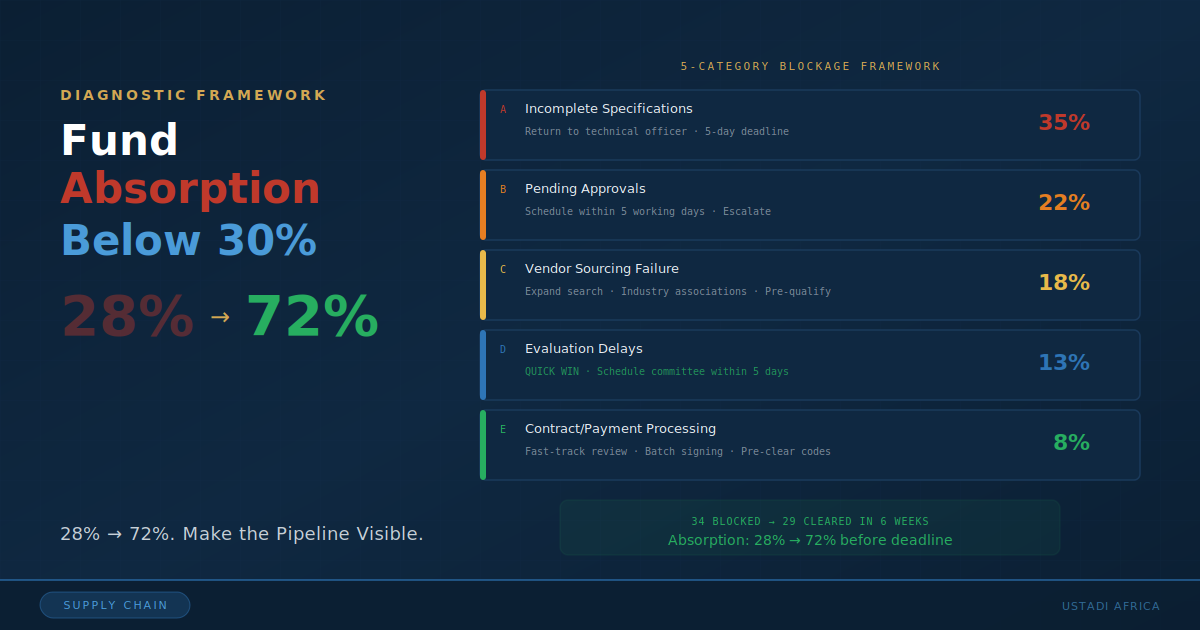
Fund Absorption Below 30%? A Diagnostic Framework for Unblocking Procurement Pipelines
Eight months after disbursement, less than 30% absorbed. The procurement pipeline is blocked at every stage. Here is how to make the invisible visible and clear the blockages systematically.
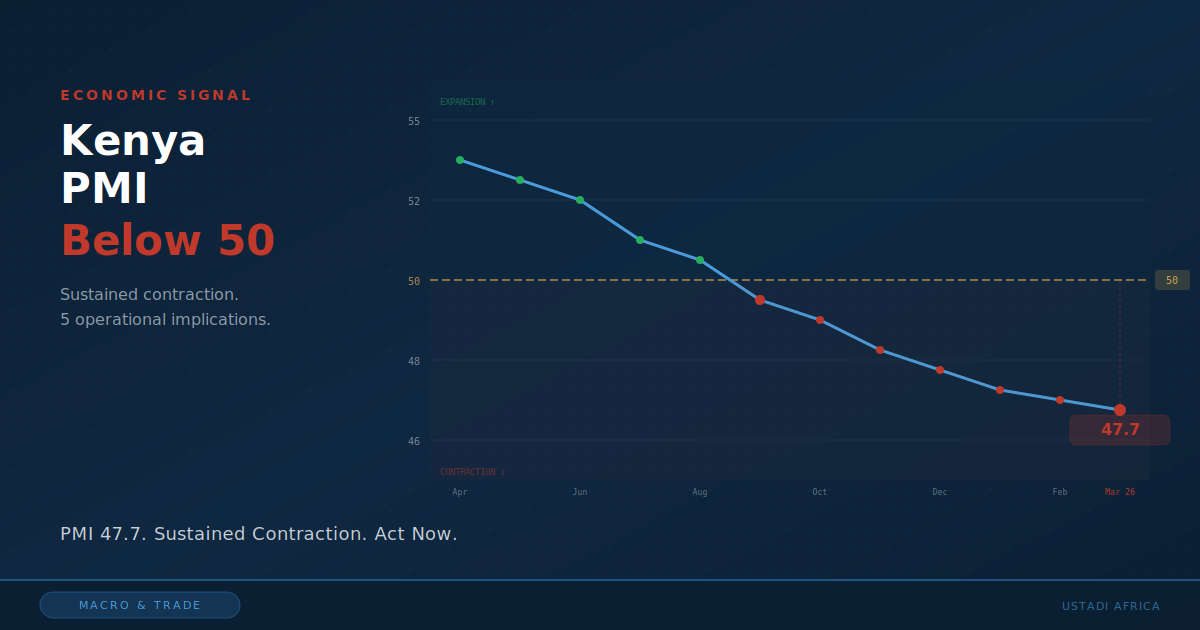
Kenya PMI Below 50: What Sustained Business Contraction Means for Your Supply Chain
A PMI below 50 signals contraction. Kenya has been below that threshold for consecutive months. Here is what that means operationally — and what to do about it.
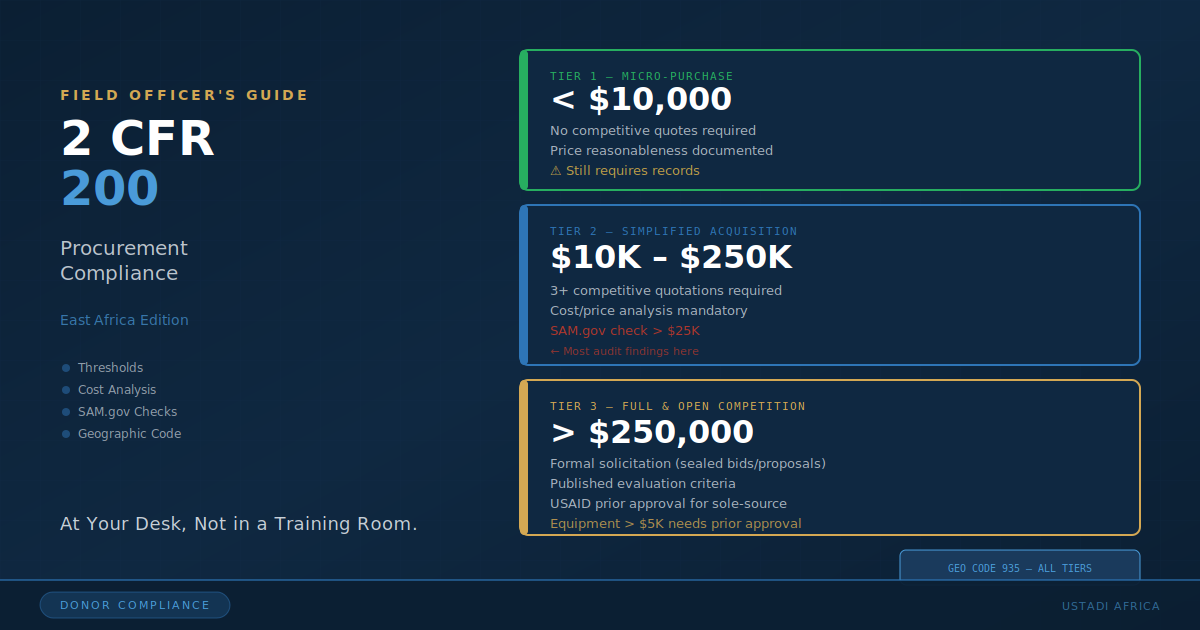
2 CFR 200 Procurement Compliance: The Field Officer's Guide for East Africa
You are a field officer in East Africa managing USAID-funded procurement. Here is exactly what 2 CFR 200 requires at every threshold — in language you can use at your desk, not in a training room.
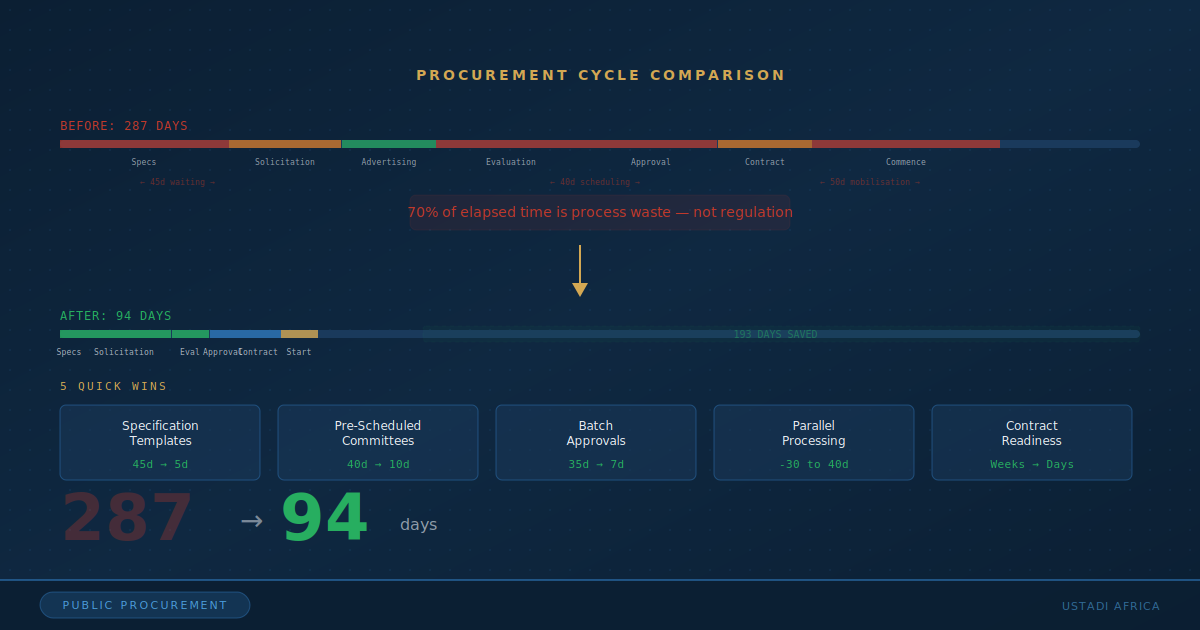
Why Procurement Cycle Optimisation Fails in Kenya — And How to Cut 287 Days to 94
Your procurement cycle takes 10 months. Projects stall before construction starts. The IMF estimates half of Kenya's 1,000+ government projects have stalled. Here is where the time actually goes.
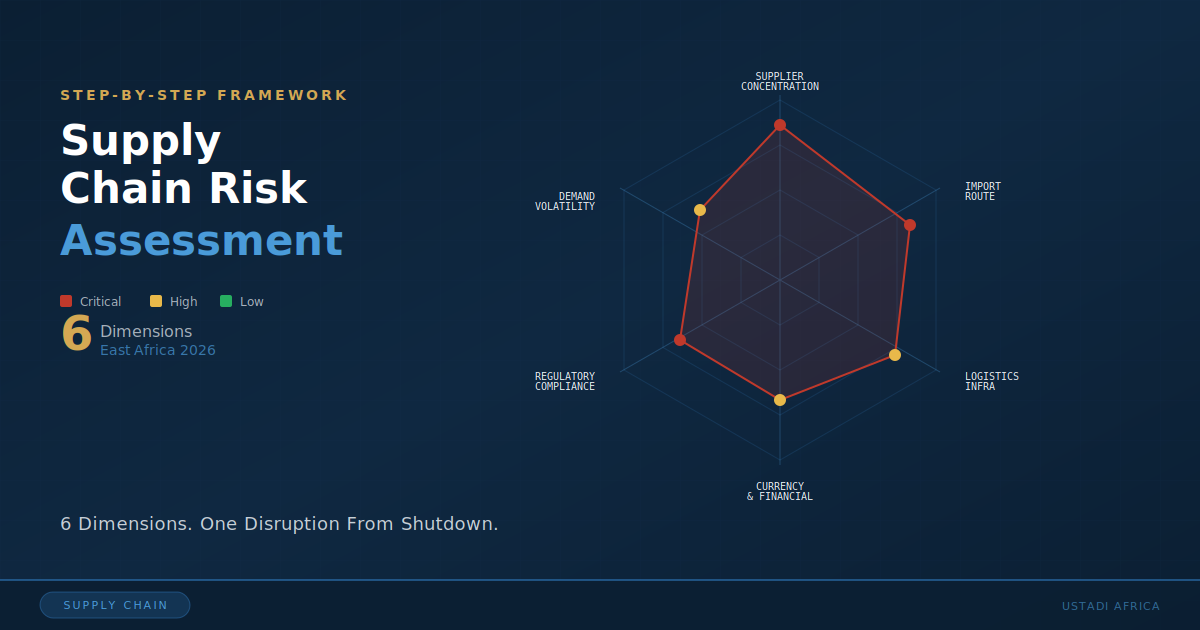
Supply Chain Risk Assessment for East Africa: A Step-by-Step Framework for 2026
Your main supplier fails and you have no backup. No risk scoring. No early warning. You are one disruption away from operational shutdown. Here is how to fix that systematically.
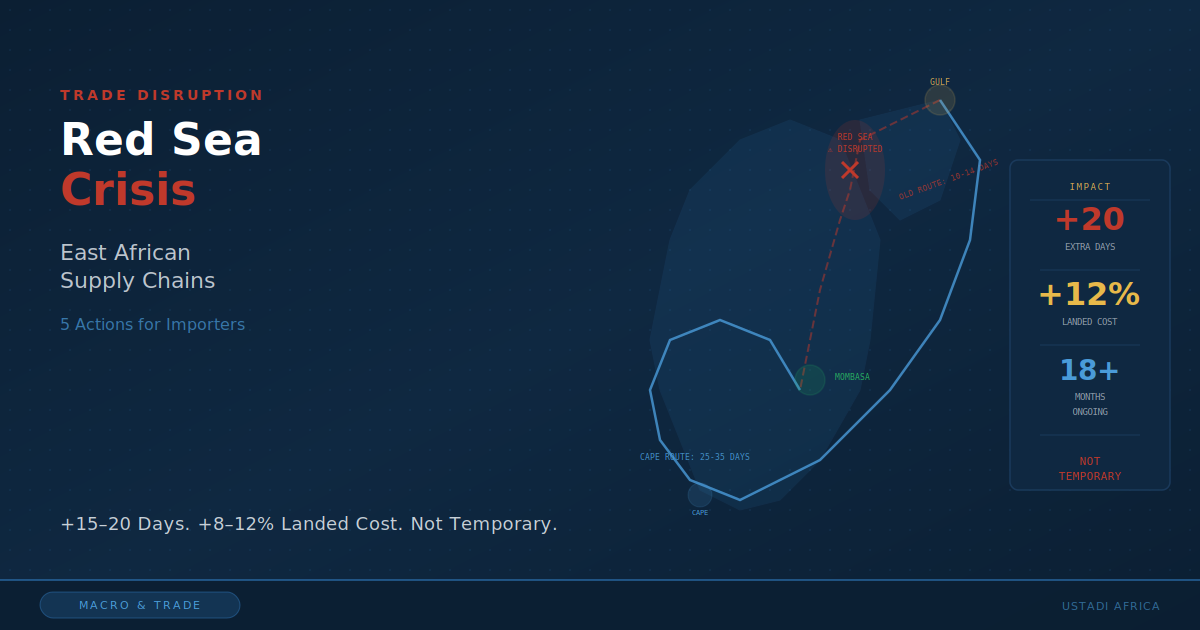
Red Sea Shipping Disruptions 2026: Impact on East African Supply Chains & What Importers Must Do
Red Sea rerouting has added 15-20 days to Gulf import timelines and 8-12% to landed costs. This is not temporary. Here is how to adapt your supply chain.
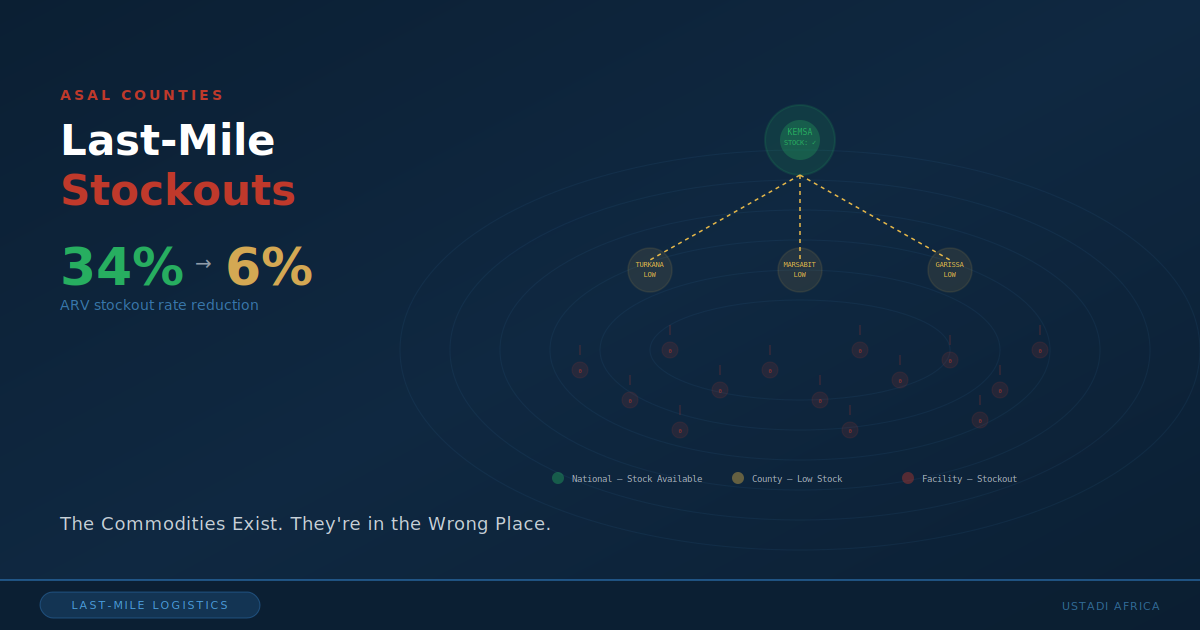
Solving Last-Mile Stockouts in Kenya's ASAL Counties: A Distribution Redesign Guide
The commodities exist. They are in the wrong place. Wrong quantities ordered, no visibility on facility shelves, no redistribution process. Here is how to fix it.
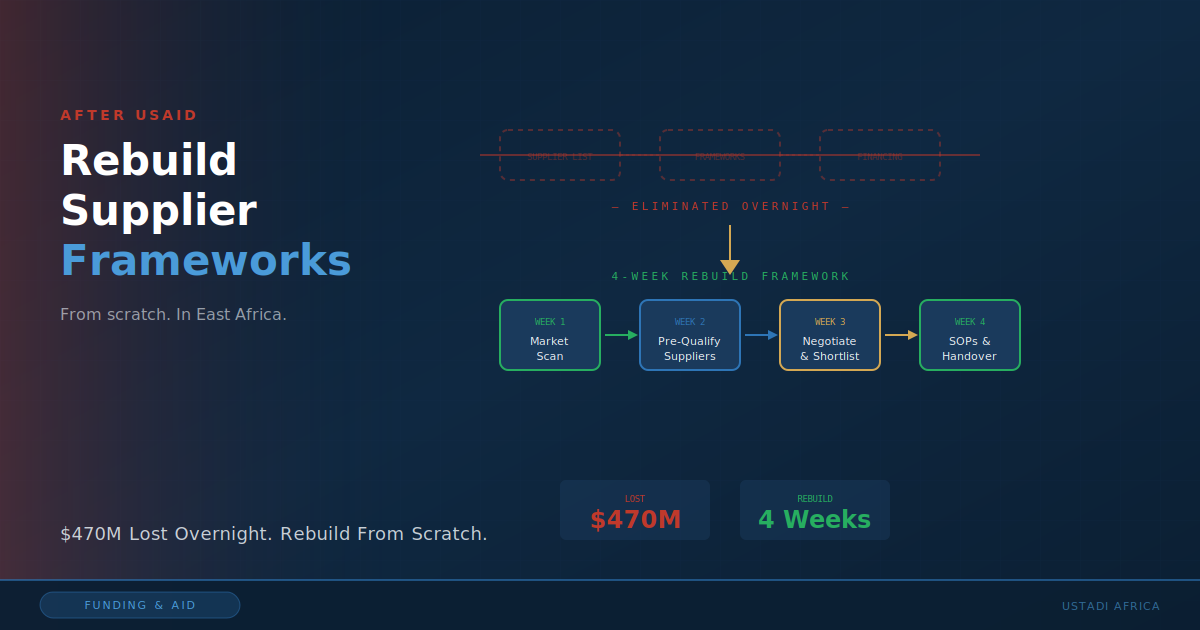
After USAID: How to Rebuild Supplier Frameworks from Scratch in East Africa
USAID restructuring eliminated pre-approved suppliers, framework agreements, and commodity financing overnight. Here is how organisations are rebuilding procurement capability from the ground up.
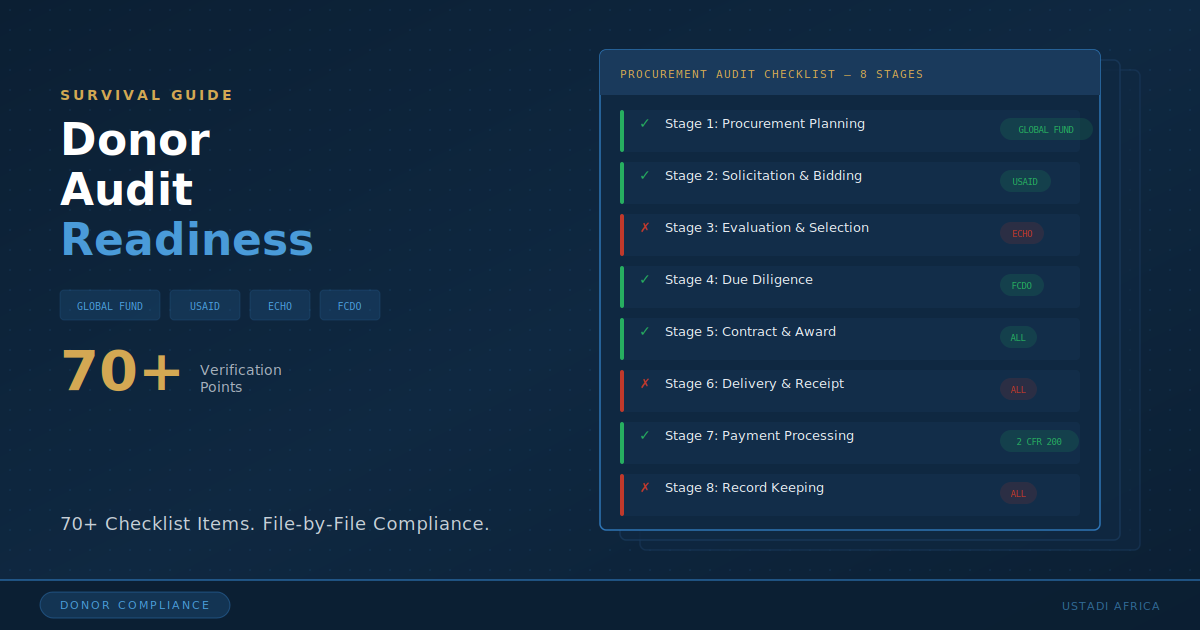
Donor Audit Survival Guide: Global Fund, USAID 2 CFR 200, ECHO, FCDO Procurement Compliance
The auditor does not ask whether you did the right thing. The auditor asks whether you can prove you did the right thing. Here is how to close every gap before they arrive

China Just Opened Its Market to Kenya. But Can We Walk Through That Door?
China is becoming friendlier to Kenya with zero-tariff access to exports. The big question for Kenya and 53 others is, are we close to closing the trade deficit in the BoT?
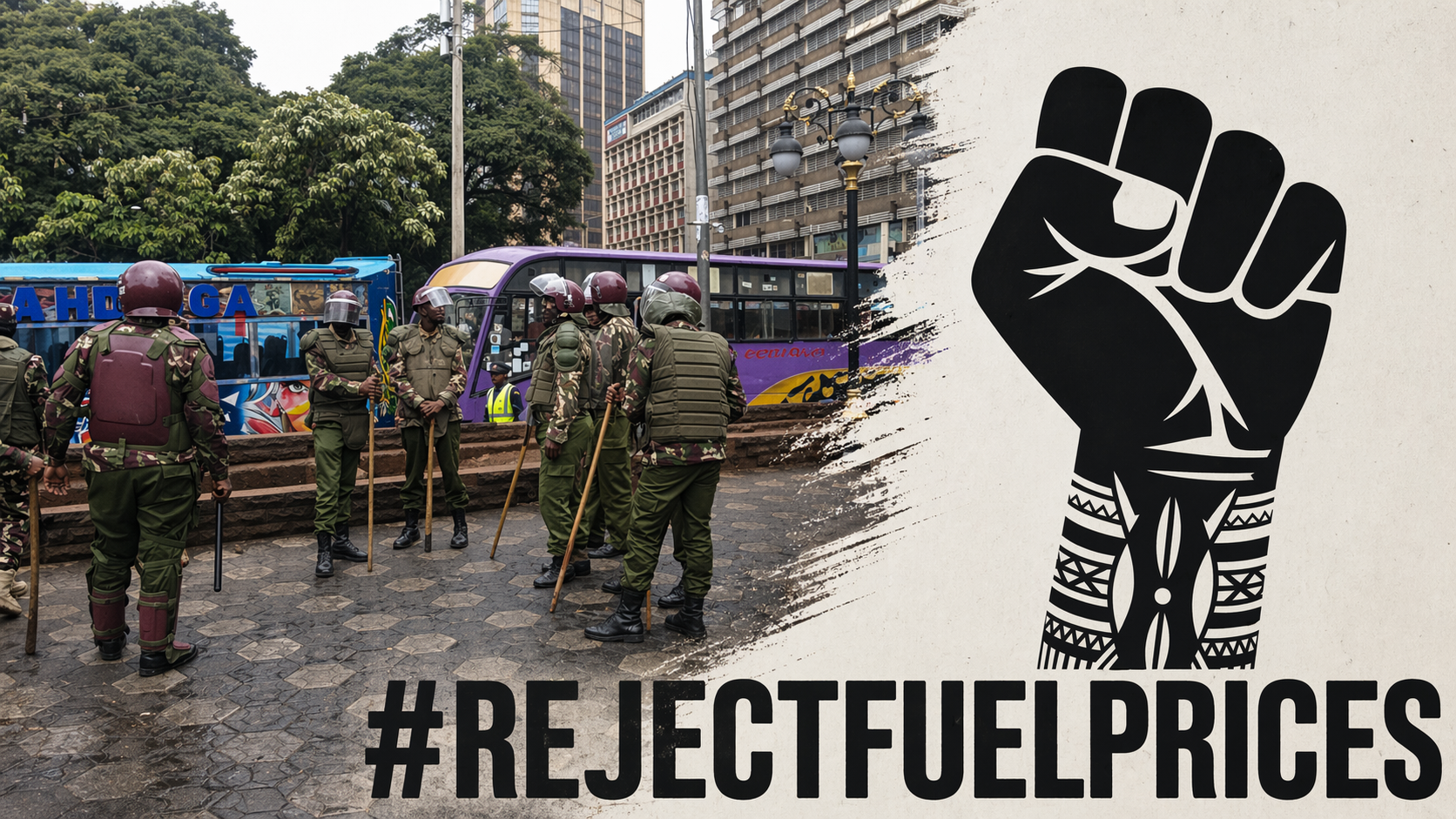
The Pump Price Went Up. Then Everything Else Followed.
KSh 206 at the pump. KSh 3,530 for cooking gas. 25% matatu fare hike. Car duties quietly doubled on the Axio and Fielder. It all happened in one week. Here is how it is connected.
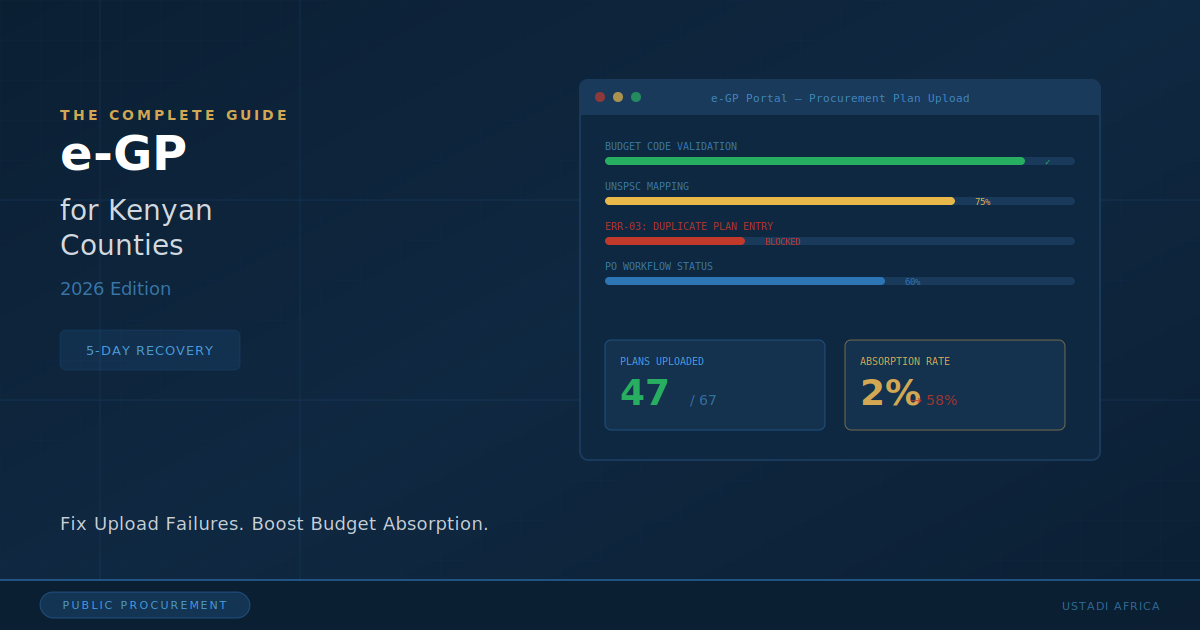
The Complete Guide to e-GP for Kenyan Counties (2026) — Fix Upload Failures & Boost Budget Absorption
Twenty counties recorded zero development spending in Q1 FY 2025/26 because procurement plans could not be uploaded to the e-GP system. This guide explains why — and how to fix it.

The Bill From the Strait of Hormuz Just Arrived at the Pump
A Bill of 28.69/l Petrol and KSh 40.30/l Diesel Just Arrived at the Pump From the Strait of Hormuz
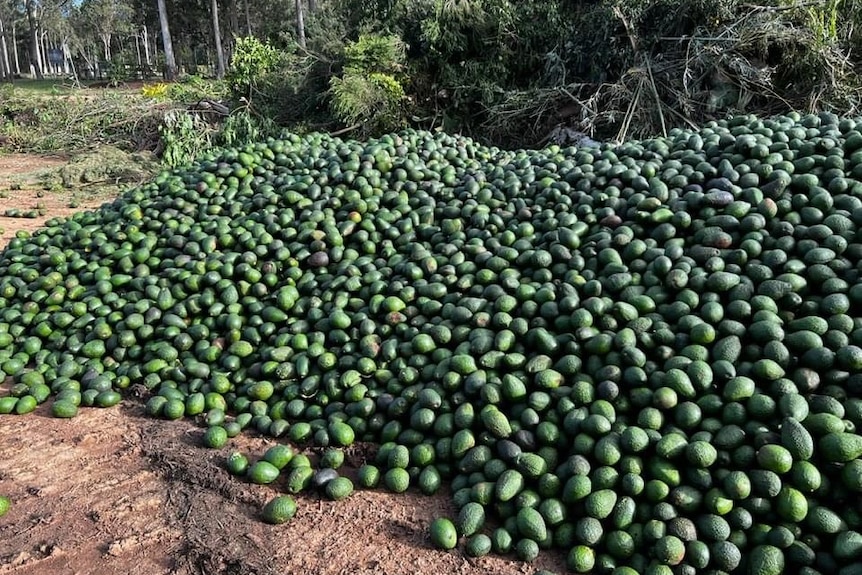
We Grew More Avocados Than Ever. And We Can't Get Them Out.
Kenya grew 694,000 tonnes of avocados. Record harvest, strong demand, number one in Africa. And still, exports fell. Shida haikuwa shamba. Ilikuwa baharini.
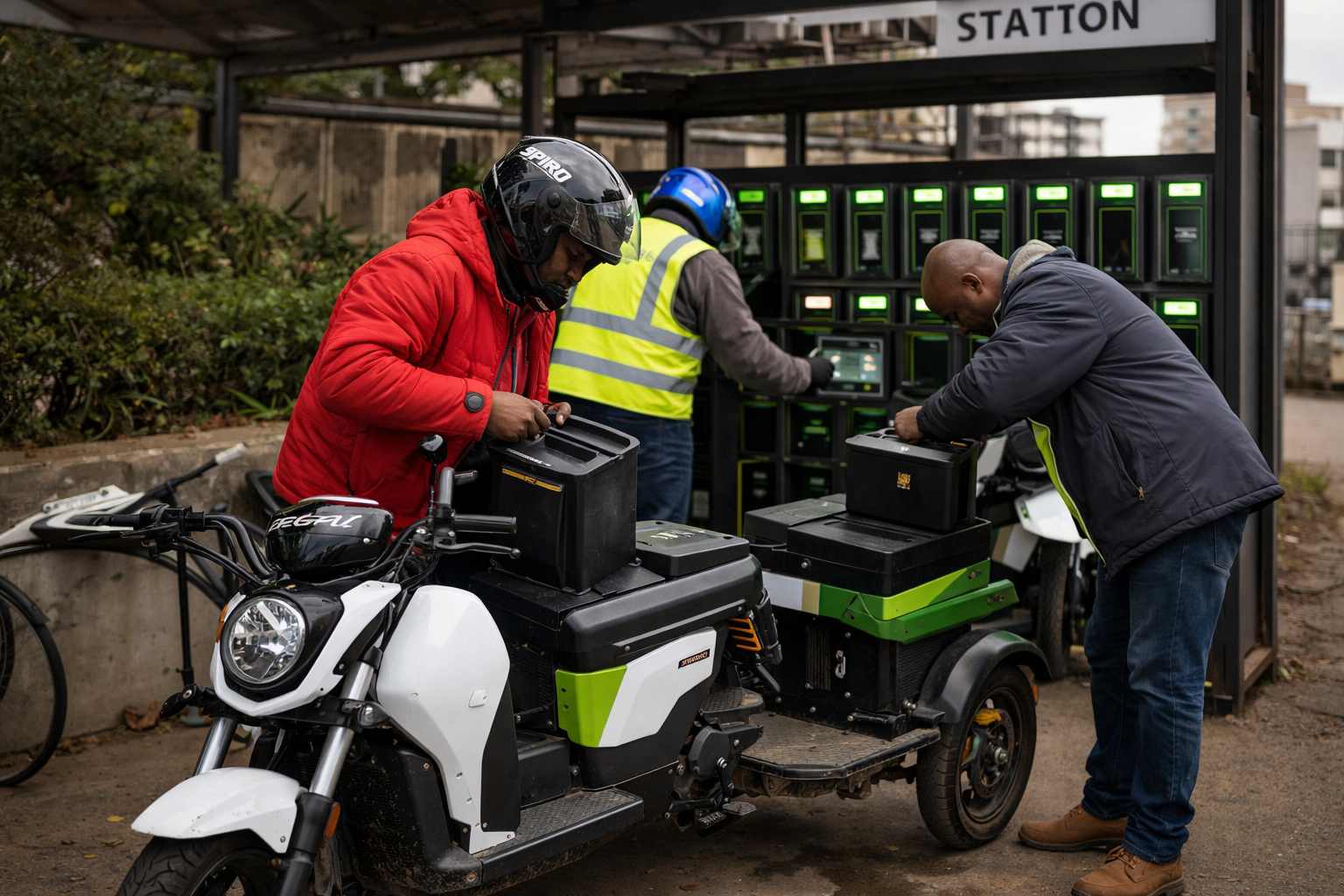
So If Fuel Disappears, What's Plan B?
The fuel problem seems to be escalating slowly, like a toothache during the day—persistent but not urgent enough to trigger immediate action. However, the powers that be have shifted the responsibility back to third-world countries. This “toothache” may now require immediate attention, possibly through the development of a new set of Plan B solutions.

Fuel Is Still 178 Bob. But Try Finding It.
Kenya imports ALL its fuel. Every drop. Our refinery in Mombasa? Dormant. Importers are required by law to hold only 21 days of stock. That's our buffer. Three weeks.

Fuel Is Still KSh 178. But For How Long?
The disruption to the Strait of Hormuz has reintroduced volatility into global oil markets. For Kenya, the EPRA pricing lag is not a buffer.
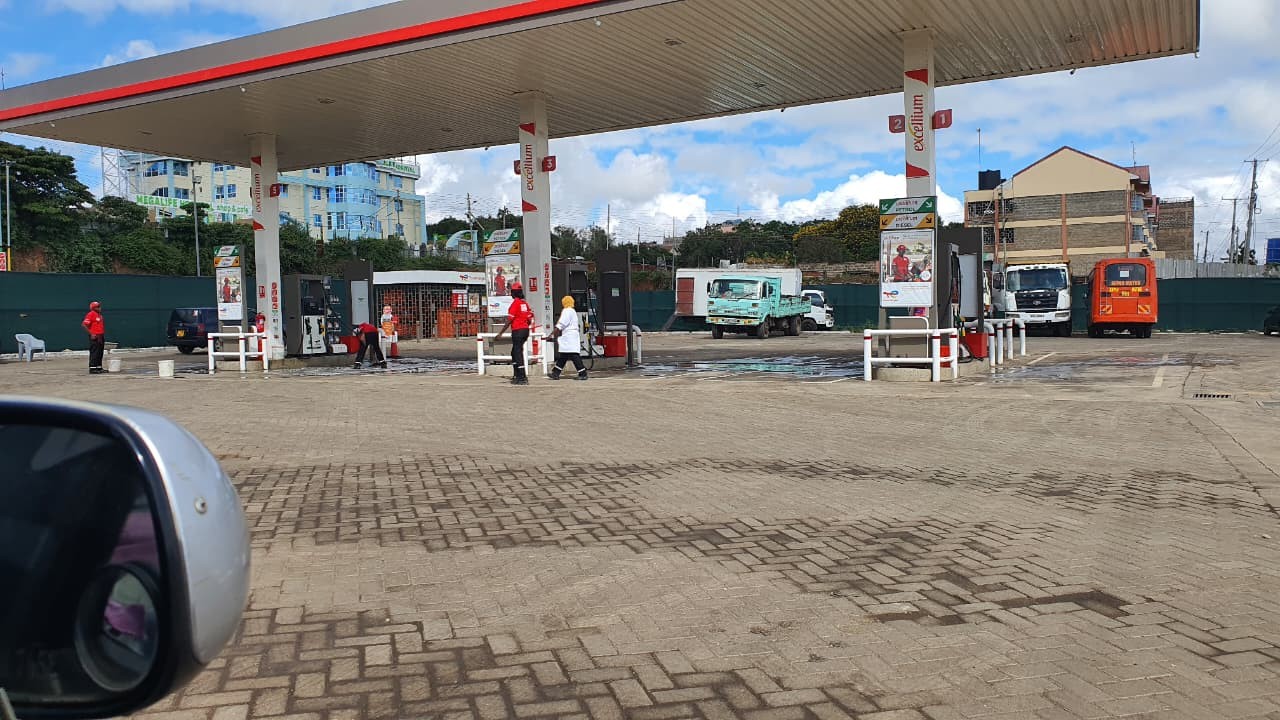
We're Queuing for Fuel. Turns Out, the Problem Was Not the Pump.
Three energy officials arrested. A KSh 4.8 billion fuel consignment outside the G to G framework. The Middle East crisis used as cover. What the fuel scandal reveals about procurement governance under pressure.
Describe Your Breakdown.
Follow Ustadi Africa on LinkedIn for analysis, or tell us about your supply chain challenge.
Tell Us What’s Not Working.
Describe the problem. We tell you if we can help, how long it takes, and what it costs. One business day response.
Contact Information.
The more context you can provide, the more useful our initial response will be. Helpful to include: your organisation type and sector, the specific challenge you are facing, and whether you have a defined brief or are still scoping the engagement.
Describe Your Situation.
Frequently Asked.
What happens after I submit this form? +
Is there a minimum engagement size? +
Can I book a call instead of filling out the form? +
Privacy Policy
Last updated: April 2026
1. Introduction
Ustadi Africa (the trading name of Umahiri Advisory, registered in Kenya) is committed to protecting the privacy of visitors to ustadiafrica.com. This policy explains what data we collect, how we use it, and your rights.
2. Data We Collect
We collect minimal data. Our site does not require user registration, and we do not sell, trade, or otherwise transfer personal information to third parties.
Analytics data: If you consent, we collect anonymised usage data through Google Analytics 4 (measurement ID G-3BXBTJGHDT). This includes pages visited, approximate geographic region, device type, and referral source. IP addresses are anonymised before processing.
Contact form submissions: If you submit an enquiry through our contact form, we collect the information you provide (name, email, organisation, and message). This data is processed through Formspree and used solely to respond to your enquiry.
3. Use of Cookies
Our site uses a cookie consent mechanism. On your first visit, you are asked whether you accept analytics cookies. If you decline, no analytics cookies are set and no tracking data is collected.
4. Google Analytics
When analytics consent is granted, Google Analytics collects anonymised browsing data. We have enabled IP anonymisation, and we do not use Google Advertising features. Google’s privacy policy applies to data processed by their services. You can opt out at any time by updating your cookie preferences via the banner or by clearing your browser’s local storage.
5. Your Rights
You have the right to decline analytics tracking at any time through the cookie consent mechanism on this site. If you have submitted a contact form enquiry and wish to request deletion of your data, you may contact us at the address below.
Since we collect only anonymised analytics data and voluntary contact form submissions, we hold very little personal information. We retain contact form submissions only as long as necessary to respond to and follow up on your enquiry.
6. Contact
For any privacy-related questions or data requests, please contact us at: info@ustadiafrica.com
Data Controller: Umahiri Advisory (trading as Ustadi Africa), Nairobi, Kenya.
Engagement Model
Transparent pricing. Fixed fees. No billing surprises.
Every engagement is scoped individually, but these frameworks give you a clear sense of what it costs before we ever get on a call.
How Pricing Works
Every engagement is priced based on scope, complexity, and duration. We provide a fixed-fee quote after an initial scoping conversation — no hourly billing surprises. Typical investment levels are shared during the scoping call.
What Happens After You Contact Us
-
1
We respond within one business day.
Every enquiry is reviewed personally. You will receive an honest initial assessment of whether and how we can help — no automated responses.
-
2
We schedule a free 20-minute scoping call.
We use this call to understand the specific challenge, confirm the right service, and clarify any context we need before proposing a fee.
-
3
We send a fixed-fee proposal within 3 business days.
You receive a clear document stating exactly what we will deliver, when, and at what cost. No ambiguity, no hidden charges.
Typical Engagement Lengths
| Engagement Type | Typical Duration |
|---|---|
| Audit / Diagnostic | 2–4 weeks |
| Implementation / Advisory | 4–12 weeks |
| Training Programme | 1–3 days per module |
What’s Always Included
- A named deliverable — a specific document, system, or output, not a vague report
- A post-engagement handover session with your team before we step back
- A 30-day follow-up check-in to address any questions that arise after implementation
Ready to scope your engagement?
Describe your situation and we’ll come back within one business day with an honest assessment and next steps.
Describe Your Situation →Site Map
All Pages on Ustadi Africa
A complete index of every page on this site. Also available as sitemap.xml for search engines.