African Supply Chains Break in Specific Ways. We Fix Each One.


The Failures Are Specific.
So Are Our Fixes.
In 2025–2026, East African supply chains face compounding pressures. USAID funding restructuring has collapsed established supplier frameworks overnight. Kenya’s e-GP rollout has left county procurement teams unable to upload plans, stalling budget absorption below 30%. Red Sea route disruptions have added 15–20 days to Gulf import timelines. And across the region, procurement data remains fragmented across IFMIS, Excel, WhatsApp, and paper records — making compliance reporting nearly impossible.
These are not theoretical risks. They are observable failures happening inside organisations right now. The response is usually reactive: emergency procurements, audit findings, missed delivery windows. We work upstream — diagnosing the structural cause, not just treating the symptom.
Ustadi Africa exists because imported consulting frameworks do not account for informal supplier markets, volatile funding cycles, weak data infrastructure, or the regulatory complexity of operating across multiple East African jurisdictions simultaneously.
A Disciplined Process.
No Phase Is Skipped.
Every engagement follows four structured phases. Recommendations without adequate diagnosis produce solutions for the wrong problem.
We map the operating environment — supply chain configuration, institutional constraints, risk exposure, and capability gaps — before forming any hypothesis about what needs to change.
Disruption scenarios are modelled and exposure levels quantified. We distinguish between risks that can be mitigated through systems design and those requiring contingency planning.
Resilience strategies, research frameworks, or training programmes are designed to the client's specific operating environment and institutional capacity — not templated from previous engagements.
Knowledge, systems, and processes are transferred into the organisation through structured handover, training, and follow-up support. Performance should continue after our engagement concludes.
What We Do.
Fifteen focused services across three tiers — urgent fixes, resilience building, and evidence — each built for African market realities.
Organisations Built for Africa.
Our clients operate in complex environments and need advisory that reflects that complexity.
Ministries, state corporations, and county governments navigating Kenya's public procurement framework and seeking to strengthen institutional capacity.
International and local NGOs, UN agencies, and implementing partners requiring research, evaluation, and training that meets international standards grounded in East African realities.
Multinationals entering East African markets and local businesses scaling operations, requiring supply chain risk assessment calibrated to the operating environment.
DFIs and multilateral organisations commissioning supply chain assessments and capacity building programmes for portfolio organisations across Africa.
What Our Clients Say.
The measure of our work is the difference it makes in our clients' operations. Here is what some of them have shared.
What Guides How We Work.
Operational commitments that shape every engagement — not aspirational values on a wall.
Every operating environment is specific. Before we recommend any approach, we invest time understanding the institutional landscape, infrastructure constraints, regulatory environment, and political economy of the context. Generic solutions applied without that understanding produce generic results.
We do not offer opinions dressed as analysis. Our findings are built on primary evidence — field data, stakeholder engagement, document review, and quantitative modelling — documented in ways that can be interrogated and tested. If the evidence does not support a conclusion, we say so.
The most consequential outcome of any engagement is not the report or training we deliver — it is what the organisation can do independently after we leave. We design every engagement with that endpoint in mind, and we measure our success accordingly.
Before You Reach Out.
How do you price engagements? +
How fast can you start? +
Do you work outside Kenya? +
Are your trainings NITA-certified? +
How is confidentiality handled? +
Tell us about your situation. We will give you an honest assessment of whether and how we can help — with no obligation.
A Consulting Practice Built
From Inside African Markets.
Ustadi Africa was founded on a straightforward observation: organisations operating in African markets were not struggling from lack of effort or investment. They were struggling because the consulting frameworks, research tools, and training programmes available to them had been built for different environments — and they were paying for that mismatch every day.
We exist to close that gap. Through specialist business consulting, rigorous organisational research, and practically grounded professional training, we help organisations build the systems, knowledge, and capabilities to operate effectively — and durably — across African markets.
Why Ustadi Africa Exists.
The name Ustadi is Swahili for mastery. It reflects a deliberate commitment: that meaningful advisory in a complex domain requires not just technical knowledge, but deep contextual understanding of the environment in which that knowledge is being applied.
Ustadi Africa was founded in response to a gap that persists across Kenya’s public and development sectors: procurement decisions made without adequate market intelligence. Training programmes built on international curricula that do not reflect Kenyan regulatory realities. Supply chain assessments that map risks using tools designed for data-rich, stable environments — applied to contexts where data lives in WhatsApp groups and Excel files.
We are grounded in Nairobi, draw on seven years of active advisory experience across East Africa, and underpin every engagement with structured, evidence-based diagnosis before any recommendation is made.
Our clients include NGOs managing donor compliance under USAID, ECHO, and FCDO regimes; county governments navigating Kenya’s e-GP rollout; DFIs tracking absorption rates on multi-year programmes; and private sector organisations facing supplier volatility in markets shaped by FX fluctuation, import dependency, and Red Sea route disruptions.
The Commitments That
Shape Our Work.
Our Mission
To strengthen supply chain resilience and organisational effectiveness across East Africa through rigorous research, evidence-based advisory, and practically grounded capacity building that outlasts the engagement.
Our Vision
To become the primary reference point for supply chain advisory in Africa — the firm that organisations turn to when they need analysis and recommendations grounded in genuine understanding of how African markets operate.
Our Values
Intellectual rigour without academic detachment. Honesty when findings challenge the client’s assumptions. Contextual specificity over generic frameworks. Long-term capability over short-term deliverable volume.
How We Conduct Every Engagement.
Recommendations without adequate diagnosis produce solutions for the wrong problem. Every engagement follows four structured phases.
We map the operating environment — supply chain configuration, institutional constraints, regulatory landscape, and stakeholder dynamics — before forming any view on what needs to change.
Primary data, field observations, and quantitative modelling are combined to generate findings that can withstand rigorous scrutiny. We distinguish between opinion and evidence throughout.
Strategies, frameworks, and training programmes are designed to the client’s specific operating environment, institutional capacity, and implementation constraints.
Knowledge, systems, and processes are transferred deliberately into the organisation. We define performance benchmarks at the outset so that post-engagement progress can be measured.
The Practice is Led by
Dr. Benson Miano.

Dr. Miano’s advisory practice sits at the intersection of supply chain systems design, institutional research, and organisational capacity building across Africa. His research at Jomo Kenyatta University of Agriculture and Technology focuses on procurement implementation practices and performance in Kenyan state corporations — generating findings with direct relevance to public sector supply chain reform and procurement governance.
Prior to founding Ustadi Africa, Dr. Miano held an operational role at KEMSA (Kenya Medical Supplies Authority), gaining direct exposure to the practical challenges of public sector procurement in a resource-constrained, high-accountability environment. He subsequently spent seven years in active consulting across Kenya’s public sector, development sector, and private sector — alongside postgraduate teaching in procurement and supply chain management at JKUAT.
That combination — research rigour, operational experience, and years of advisory practice — shapes an approach that is analytically precise and practically grounded.
Professionally Recognised.
Academic Work & Professional Profile.
Selected Publications
Academic Profiles & Resources
How We Scale Engagements.
Ustadi Africa is a specialist practice, not a solo operation. Here is how we ensure delivery capacity matches engagement scope.
Where We’ve Worked.
Describe Your Breakdown.
Tell us about the operational challenge — audit finding, procurement bottleneck, supplier failure, data gap. We will tell you whether we can fix it and exactly how we would approach it.
Every Problem Listed.
Every Fix Explained.
15 specific supply chain problems we diagnose and fix. Organised by urgency. Each with a clear deliverable.
These Are Costing You Money Right Now.
Active failures with immediate operational and financial consequences. These are the problems that brought most of our clients to us.
Your e-GP procurement plan won’t upload — so you can’t issue a single purchase order
Twenty counties recorded zero development spending in Q1 FY 2025/26 because procurement plans couldn’t be uploaded to the e-GP system. Budget absorption rate: 2%. If your team is stuck on error screens, we train them screen-by-screen until every plan is uploaded and every PO is processing.
The donor found “material noncompliance” in your procurement — your grant is at risk
The 2025 Global Fund audit flagged all three Kenya Principal Recipients. USAID OIG flagged MEDS for material weakness. Your team followed a process that doesn’t produce the evidence trail donors require. We review against your specific donor’s compliance checklist, rebuild documentation, design traceability processes, and close every gap before the next audit.
Your USAID supplier framework is gone — you need to find and vet local suppliers from scratch
$470 million per year to Kenya vanished when USAID collapsed. 83% of foreign aid contracts terminated. Pre-approved suppliers, framework agreements, commodity financing — all gone. We map the local supplier landscape for your specific commodities, run pre-qualification assessments, and set up procurement processes that work with shorter, less predictable funding.
You disbursed the grant 8 months ago — the implementing partner has spent less than 30%
Low fund absorption: the most persistent problem in development finance in Africa. Procurement too slow, compliance requirements can’t be met fast enough, not enough staff. We do rapid diagnostics to find exactly which steps are blocking each procurement, categorise the causes, and clear the pipeline systematically.
Build Resilience Before the Next Crisis Arrives.
These services prevent the Tier 1 emergencies from happening in the first place — or recurring after we fix them. Often delivered as extensions of an existing engagement.
Your team doesn’t understand PPADA, donor procurement rules, or e-GP — they need practical training, not a manual
The e-GP system went live but training was a two-hour overview. Staff follow internal SOPs that don’t produce the documentation auditors require. We run NITA-accredited, hands-on training on the exact systems, regulations, and processes your team needs to operate — inside the actual e-GP platform, against your specific donors’ compliance requirements. Not generic procurement theory.
Your main supplier fails and you have no backup — you are one disruption from shutdown
No supplier performance data. No risk scoring. No early warning. Red Sea rerouting added 15–20 days to Gulf imports. Kenya’s PMI dropped to 47.7 in March 2026. We audit your supplier base and import routes, identify every concentration risk, build qualified backup lists, map alternative sourcing options, and set up tracking so you see trouble coming before it arrives.
ARVs are nationally available but facilities report zero stock — the last-mile distribution is broken
The drugs exist. They’re in the wrong place. Wrong quantities ordered per facility. Nobody knows what’s on shelves. No redistribution process. ASAL counties need a completely different approach — seasonal roads, no cold chain, 300km between delivery points. We diagnose which part of distribution is failing and redesign for your specific geography with the tools you already have.
Your procurement data is scattered across five systems — you can’t report, forecast, or detect problems early
Data in IFMIS, Excel, WhatsApp, email, and someone’s notebook. No forecasting. No early warning. Your ERP sits unused because the vendor installed it and left. We audit your data, diagnose why your systems aren’t adopted, clean and connect what you have, and build a framework your team can maintain — so AI tools and dashboards actually work.
You Need Evidence Before You Decide. We Produce It.
Needs assessments, baseline studies, programme evaluations, and market research — commissioned by NGOs, government, DFIs, and development agencies.
You need a baseline study or needs assessment before designing a programme — but don’t have in-house research capacity
Donors require evidence-based programme design. You need structured data on current conditions, gaps, and community needs before you can write the proposal or design the intervention. We conduct field-based assessments using mixed methods — quantitative surveys, key informant interviews, focus groups — and deliver reports that meet institutional standards.
Your programme has been running for two years and the donor wants an independent evaluation
Mid-term reviews, end-of-programme evaluations, and impact assessments that stand up to institutional scrutiny. We evaluate against your programme’s theory of change, assess what worked and what didn’t, and produce findings the donor can use for future funding decisions.
You need market intelligence on suppliers, logistics options, or regulatory conditions in a new geography
Before you enter a new market, expand to a new county, or restructure your supply chain, you need data on what’s actually on the ground — not assumptions from Nairobi. We conduct targeted market assessments covering supplier landscapes, logistics infrastructure, regulatory requirements, and cost structures.
You need supply chain due diligence for an investment or portfolio decision in East Africa
Financial and legal due diligence are standard. Supply chain due diligence — which captures the operational exposure from procurement fragility and logistics risk — is often the most consequential. We assess supply chain resilience, procurement governance, and operational risk against your requirements.
Targeted Solutions for Specific Situations.
Additional services we deliver when the situation calls for them — often alongside a Tier 1 or Tier 2 engagement.
Your operating costs keep rising but nobody can tell you exactly where the money goes
Transport costs up. Procurement costs up. Everything “expensive.” But nobody can say which supplier is overcharging, which route costs too much, or whether your logistics spend is reasonable. We break down costs category by category, benchmark against your sector, and show exactly where money is leaking.
You’re entering Uganda or Tanzania next quarter — but don’t know any suppliers or clearance agents there
AfCFTA reduced tariffs but setting up an actual supply chain in a new country requires knowing suppliers, customs, tax regimes, and logistics providers. We do market entry assessments — supplier mapping, regulatory scan, logistics analysis, and a setup plan — before you commit capital.
Your procurement cycle takes 10 months — projects stall before construction starts
The IMF estimates half of Kenya’s 1,000+ government projects have stalled. Counties spent 2% of KSh 219B development budget in Q1. We map every step from requisition to award, find where things stall — handoffs, approvals, specifications — and redesign so you spend your budget before the financial year closes.
Describe Your Breakdown.
Tell us what’s not working. We’ll tell you whether we can fix it, how long it takes, and what it costs.
Procurement Cycle Optimisation
Map every step from requisition to award, find where things stall, and redesign so your budget is spent before the financial year closes. Within existing PPADA framework.
The Problem
Your procurement cycle takes 10 months. Projects stall before construction starts. The IMF estimates half of Kenya’s 1,000+ government projects have stalled. Counties spent 2% of KSh 219B development budget in Q1.
Who This Is For
County governments, state corporations, and public entities with procurement cycles that consistently exceed reasonable timeframes and cause budget lapse.
What You Get
4–8 weeks for analysis and redesign; implementation support available
Embedded engagement with process mapping, stakeholder interviews, and iterative redesign
KES 400,000–900,000 depending on organisational complexity
Case Example
A county government reduced procurement cycle time from 287 days to 94 days. The delays were concentrated in evaluation committee scheduling and board approvals — not in regulatory requirements.
Sample Deliverable
Frequently Asked Questions
Can you reduce procurement time without breaking PPADA compliance?
Yes. Most procurement delays are not caused by regulatory requirements — they are caused by handoffs, waiting times, and unnecessary approval steps. We redesign within the existing PPADA framework.
What is a realistic improvement target?
We typically find 30–40% of elapsed time is wasted in handoffs and waiting. Cycle reductions from 287 days to 94 days are representative of our results.
Do you help with implementation or just recommendations?
Both. We provide implementation support including staff briefings, workflow rollout, and monitoring during the transition period.
Related Reading
Optimise Your Procurement Cycle
Describe the situation. We respond within one business day.
Get in TouchSector-Specific
Supply Chain Expertise.
Each sector in Africa has distinct procurement rules, compliance requirements, and operational conditions. We don’t apply one-size-fits-all frameworks. We build solutions specific to your sector.
Kenya’s Public Procurement Framework Demands Specialist Knowledge.
Kenya’s Public Procurement and Asset Disposal Act (PPADA 2015) is one of the most technically developed procurement frameworks in sub-Saharan Africa. It is also one of the most challenging to implement. The gap between statutory requirements and operational capacity creates compliance risk, audit exposure, and systemic inefficiency — particularly at the county level where e-GP adoption is stalling budget absorption.
We bring seven years of structured research into procurement implementation practices in Kenyan state corporations — a depth of understanding grounded in primary evidence, not general consulting assumptions.
We work with government ministries, state corporations, county governments, and parastatals on e-GP system recovery, procurement compliance training, PPADA audit readiness, and institutional performance assessments.
Research and Advisory That Meets Institutional Standards — and Field Realities.
International NGOs, UN agencies, and development partners in East Africa face a compound challenge in 2025–2026: USAID funding restructuring has collapsed established supplier frameworks. 2 CFR 200 compliance requirements demand traceability that most field procurement systems cannot produce. And the gap between donor reporting standards and ground-level data availability grows wider with each audit cycle.
We understand this tension from the inside. Our advisory and research services are built specifically for the NGO operating context — including the procurement frameworks, accountability requirements, and operational constraints of USAID, FCDO, ECHO, EU, Global Fund, and UN agencies.
We provide donor compliance remediation, procurement system audits, needs assessments, programme evaluations, and supply chain advisory that meet institutional quality standards while being grounded in how procurement actually works across East African field operations.
Supply Chains Designed for the Environment You’re Actually Operating In.
Multinational corporations entering East African markets typically bring supply chain models designed for their home operating environments. Those models embed assumptions — about infrastructure reliability, supplier market depth, regulatory predictability, and data availability — that do not hold across Africa.
The result is a supply chain that works in theory but fails in practice. Delivery lead times that are consistently longer than planned. Costs that are persistently higher than budgeted. Quality failures traced back to suppliers who were approved on paper but inadequately assessed in the field.
We help private sector organisations build supply chains that are calibrated to the East African environment from the outset — through risk assessment, supplier strategy, resilience planning, and the practical advisory that comes from seven years of operating in this market.
Supply Chain Due Diligence and Research That Withstands Institutional Scrutiny.
Development finance institutions making portfolio decisions in East Africa require supply chain due diligence, procurement governance assessments, and capacity building programmes that meet the rigorous standards of institutional review. Financial due diligence and legal due diligence are standard parts of the investment process. Supply chain due diligence — which captures the operational exposure that comes from procurement fragility and logistics risk — is less consistently applied, but often the most consequential.
We provide advisory and research services to DFIs directly, and to portfolio organisations as part of DFI-funded technical assistance programmes. Our combination of research-grounded methodology and operational advisory experience makes us well-suited to the multi-layered requirements of development finance mandates.
We understand what institutions need: findings that are methodologically defensible, recommendations that are operationally feasible, and documentation that holds up to the scrutiny of institutional review processes.
Describe Your Breakdown.
Each sector brings specific requirements. Tell us about the situation and we will explain how we have approached similar challenges before.
Case Studies
Detailed accounts of real engagements. Each follows the same structure: the challenge the client faced, our approach, and the quantified results.
Field Notes from East African
Supply Chains
Grounded analysis on procurement reform, supply chain disruptions, and the forces shaping how organisations operate across Africa. By Dr. Benson Miano.
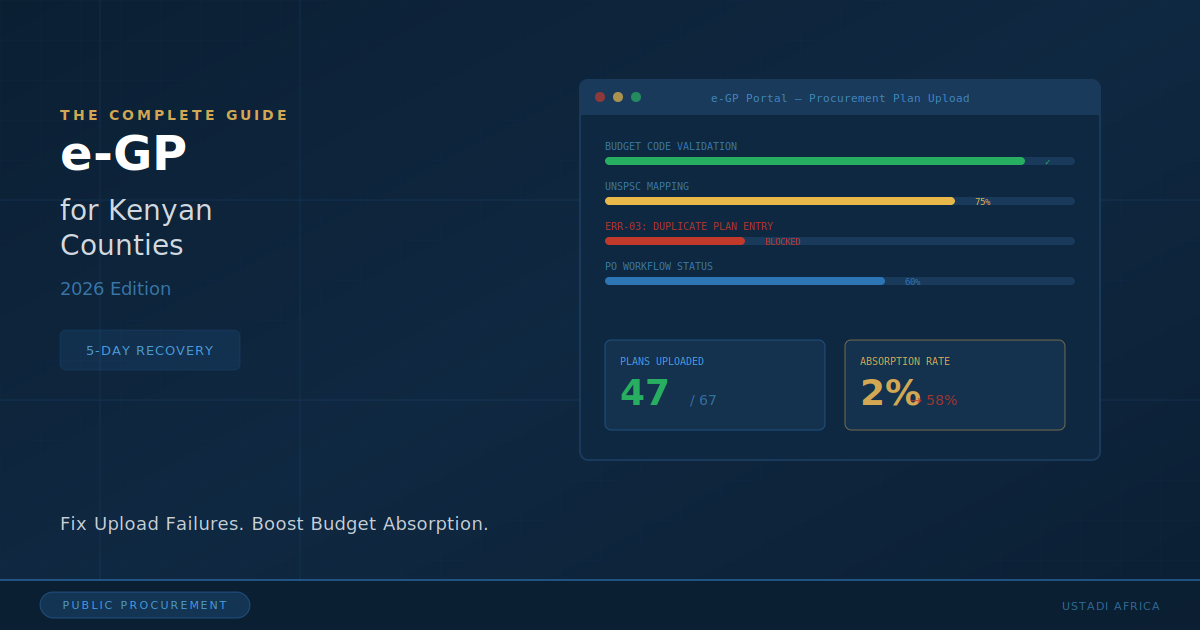
The Complete Guide to e-GP for Kenyan Counties (2026) — Fix Upload Failures & Boost Budget Absorption
Twenty counties recorded zero development spending in Q1 FY 2025/26 because procurement plans could not be uploaded to the e-GP system. This guide explains why — and how to fix it.
All Insights
8 articles
China Just Opened Its Market to Kenya. But Can We Walk Through That Door?
China is becoming friendlier to Kenya with zero-tariff access to exports. The big question for Kenya and 53 others is, are we close to closing the trade deficit in the BoT?
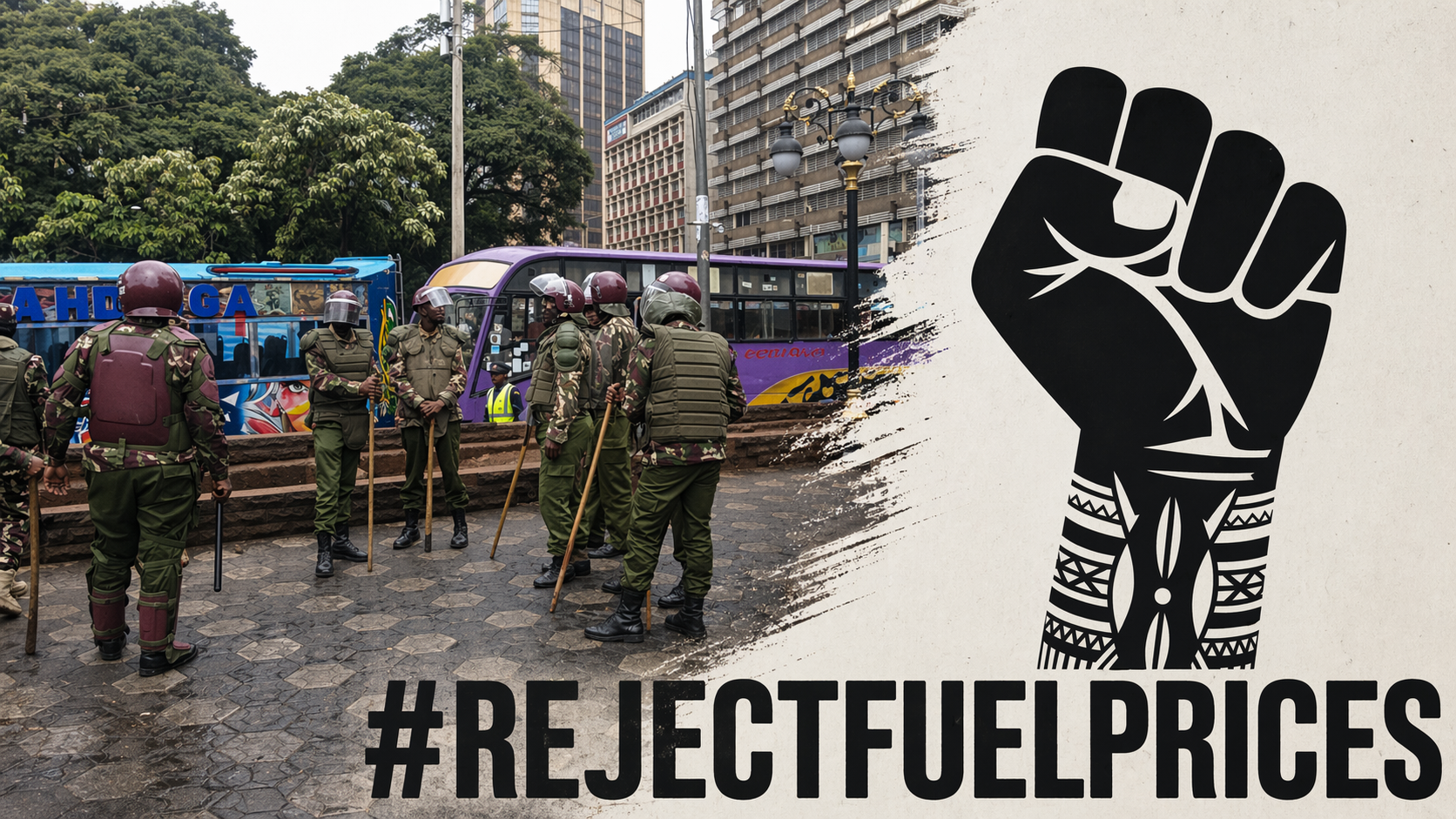
The Pump Price Went Up. Then Everything Else Followed.
KSh 206 at the pump. KSh 3,530 for cooking gas. 25% matatu fare hike. Car duties quietly doubled on the Axio and Fielder. It all happened in one week. Here is how it is connected.

The Bill From the Strait of Hormuz Just Arrived at the Pump
A Bill of 28.69/l Petrol and KSh 40.30/l Diesel Just Arrived at the Pump From the Strait of Hormuz
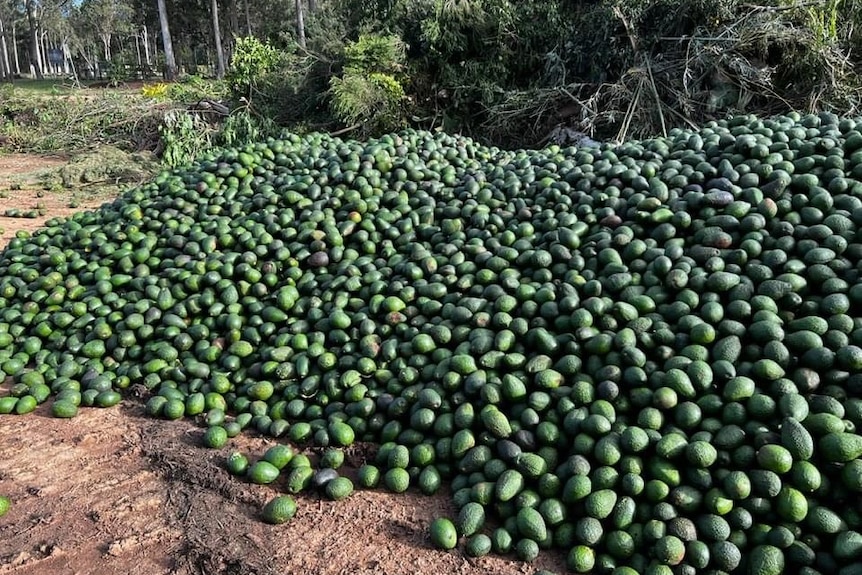
We Grew More Avocados Than Ever. And We Can't Get Them Out.
Kenya grew 694,000 tonnes of avocados. Record harvest, strong demand, number one in Africa. And still, exports fell. Shida haikuwa shamba. Ilikuwa baharini.
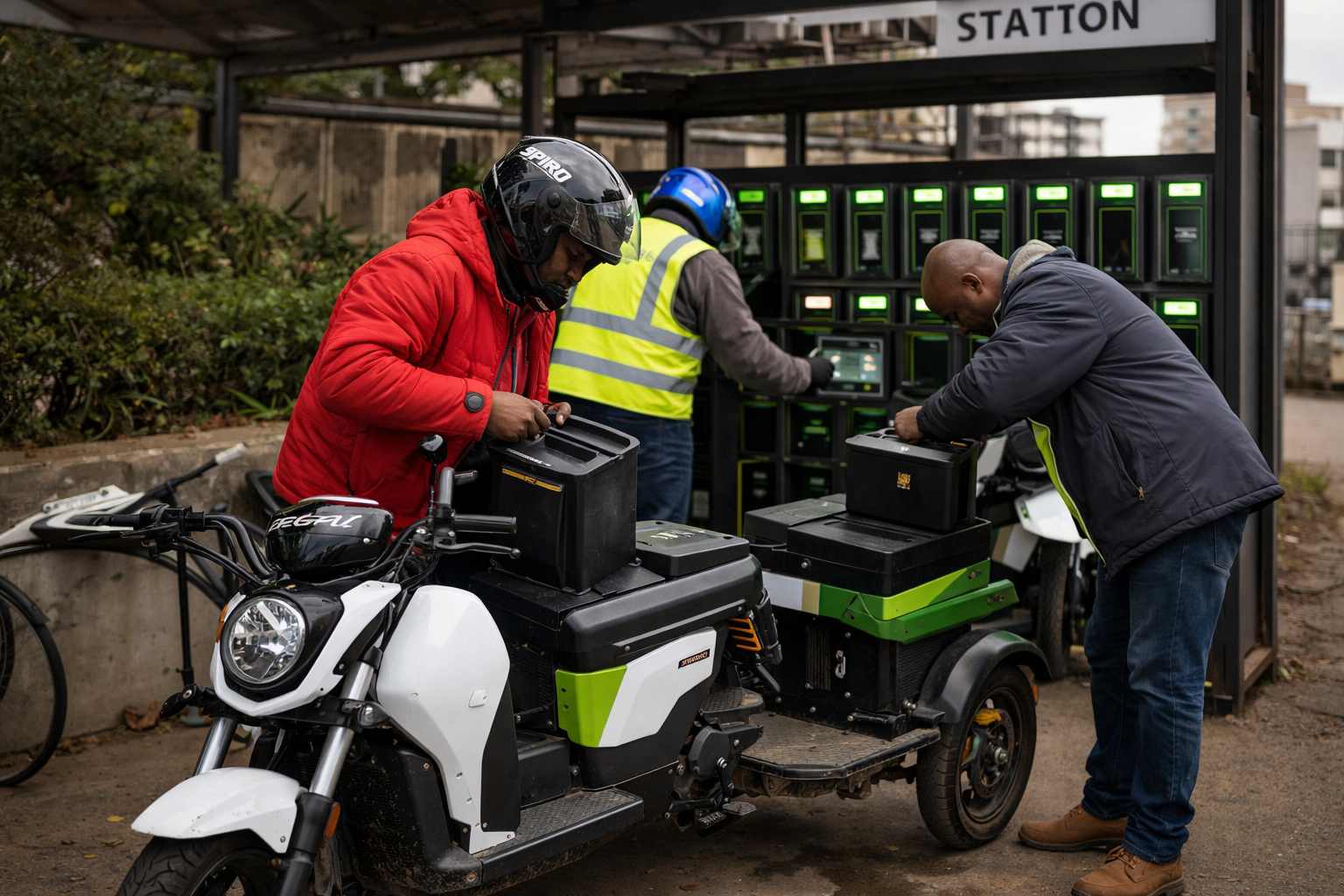
So If Fuel Disappears, What's Plan B?
The fuel problem seems to be escalating slowly, like a toothache during the day—persistent but not urgent enough to trigger immediate action. However, the powers that be have shifted the responsibility back to third-world countries. This “toothache” may now require immediate attention, possibly through the development of a new set of Plan B solutions.

Fuel Is Still 178 Bob. But Try Finding It.
Kenya imports ALL its fuel. Every drop. Our refinery in Mombasa? Dormant. Importers are required by law to hold only 21 days of stock. That's our buffer. Three weeks.

Fuel Is Still KSh 178. But For How Long?
The disruption to the Strait of Hormuz has reintroduced volatility into global oil markets. For Kenya, the EPRA pricing lag is not a buffer.
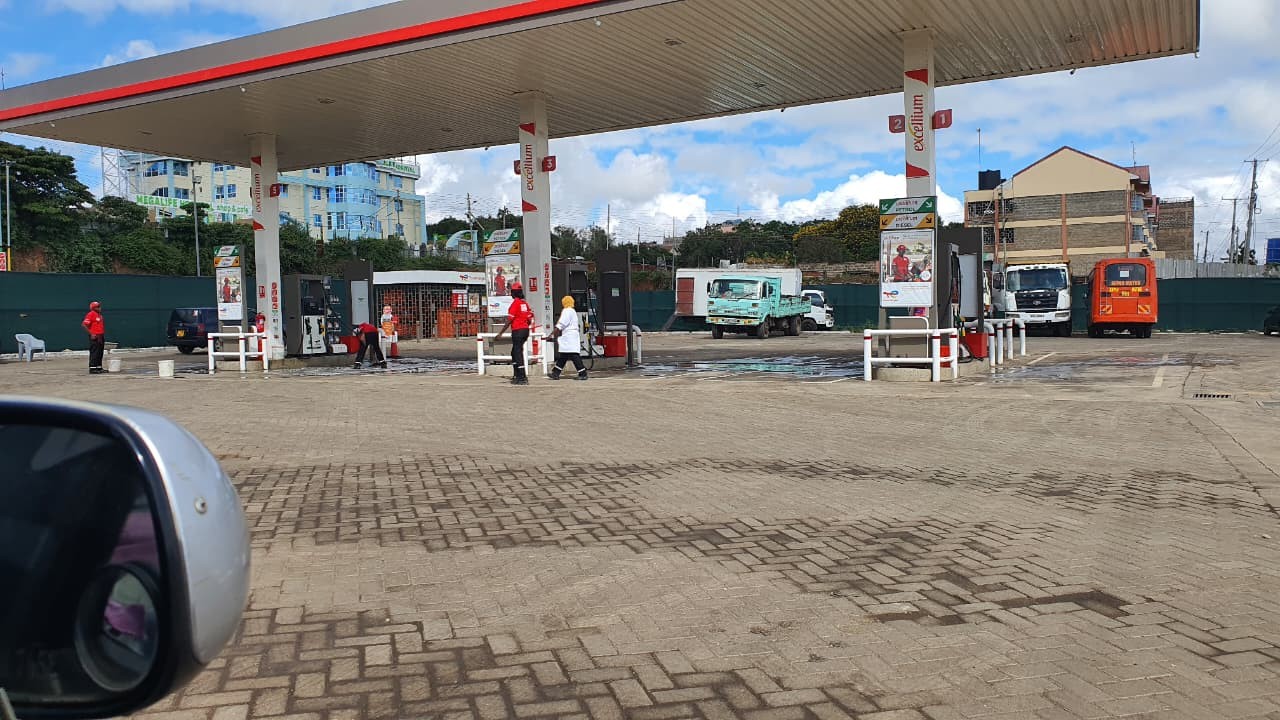
We're Queuing for Fuel. Turns Out, the Problem Was Not the Pump.
Three energy officials arrested. A KSh 4.8 billion fuel consignment outside the G to G framework. The Middle East crisis used as cover. What the fuel scandal reveals about procurement governance under pressure.
Describe Your Breakdown.
Follow Dr. Miano on LinkedIn for analysis, or tell us about your supply chain challenge.
Tell Us What’s Not Working.
Describe the problem. We tell you if we can help, how long it takes, and what it costs. One business day response.
Contact Information.
The more context you can provide, the more useful our initial response will be. Helpful to include: your organisation type and sector, the specific challenge you are facing, and whether you have a defined brief or are still scoping the engagement.
Describe Your Situation.
Frequently Asked.
What happens after I submit this form? +
Is there a minimum engagement size? +
Can I book a call instead of filling out the form? +
Privacy Policy
Last updated: April 2026
1. Introduction
Ustadi Africa (the trading name of Umahiri Advisory, registered in Kenya) is committed to protecting the privacy of visitors to ustadiafrica.com. This policy explains what data we collect, how we use it, and your rights.
2. Data We Collect
We collect minimal data. Our site does not require user registration, and we do not sell, trade, or otherwise transfer personal information to third parties.
Analytics data: If you consent, we collect anonymised usage data through Google Analytics 4 (measurement ID G-3BXBTJGHDT). This includes pages visited, approximate geographic region, device type, and referral source. IP addresses are anonymised before processing.
Contact form submissions: If you submit an enquiry through our contact form, we collect the information you provide (name, email, organisation, and message). This data is processed through Formspree and used solely to respond to your enquiry.
3. Use of Cookies
Our site uses a cookie consent mechanism. On your first visit, you are asked whether you accept analytics cookies. If you decline, no analytics cookies are set and no tracking data is collected.
Strictly necessary storage: We store your cookie preference in your browser's local storage (key: ua_consent). This is not a cookie and contains no personal information — only your consent choice.
4. Google Analytics
When analytics consent is granted, Google Analytics collects anonymised browsing data. We have enabled IP anonymisation, and we do not use Google Advertising features. Google's privacy policy applies to data processed by their services. You can opt out at any time by updating your cookie preferences via the banner or by clearing your browser's local storage.
5. Your Rights
You have the right to decline analytics tracking at any time through the cookie consent mechanism on this site. If you have submitted a contact form enquiry and wish to request deletion of your data, you may contact us at the address below.
Since we collect only anonymised analytics data and voluntary contact form submissions, we hold very little personal information. We retain contact form submissions only as long as necessary to respond to and follow up on your enquiry.
6. Contact
For any privacy-related questions or data requests, please contact us at: info@ustadiafrica.com
Data Controller: Umahiri Advisory (trading as Ustadi Africa), Nairobi, Kenya.
Site Map
Complete directory of all pages, services, and resources on Ustadi Africa.
Main Pages
Home About Ustadi Africa What We Fix Who We Serve Insights & Articles Contact & Enquiries Privacy PolicyServices — What We Fix
Industries We Serve
Government & Public Sector NGOs & Development Organisations Private Sector & Corporates DFIs & Multilateral AgenciesCase Studies
County e-GP Recovery: 2% → 58% Absorption NGO Audit: 23 Findings Closed, Zero Repeat DFI Absorption: 28% → 72% Before Deadline Supplier Framework Rebuilt After USAIDResources
How We Cost Engagements → All Case Studies → 📄 e-GP Recovery Playbook (Free PDF) 📄 Donor Audit Checklist (Free PDF) 📄 Absorption Diagnostic (Free PDF)How We Cost Engagements
We believe in transparent pricing. Every engagement is scoped individually, but these frameworks give you a clear sense of investment levels before we talk.
How Pricing Works
Describe Your Breakdown.
Tell us the challenge. We will scope it and give you a fixed-fee quote — no obligation.
Describe Your Breakdown